

PHL Car Service: 5 Perfect Essential Routes for Drivers
Understanding the Local Navigation Landscape
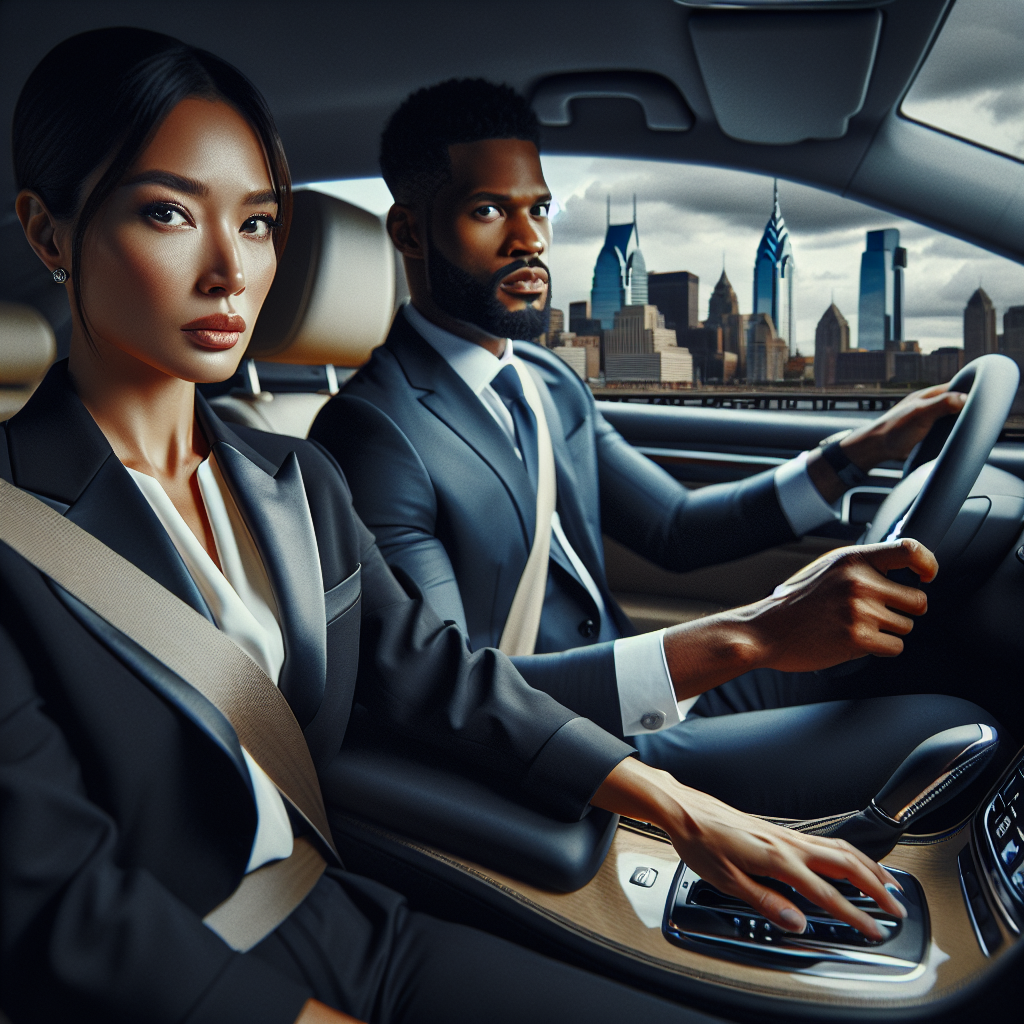
PHL Car service plays a crucial role in making sense of the local navigation landscape, especially for those unfamiliar with the intricacies of the area. Understanding this landscape means more than just knowing which streets to take; it involves grasping the ebb and flow of traffic patterns, the hidden gems of shortcuts, and even the fluctuating nature of transport options available at any given time. As urban environments continually evolve, so too do the challenges faced by travelers seeking efficient routes and reliable transportation.
Local navigation isn’t merely about reaching a destination; it’s about the experience along the way. Those who opt for services like PHL Car service benefit from drivers who possess intimate knowledge of the area’s topography, from bustling downtown corridors to quiet residential blocks. The intricacies of local events, seasonal changes, and even the time of day can dramatically influence travel times and route efficiency. This dynamic nature means that merely relying on GPS technology can sometimes lead to frustration, as algorithms may not account for real-world variables like construction delays or unexpected detours.
Moreover, a deeper understanding of the local landscape fosters a sense of community connection. By using services that prioritize local know-how, travelers not only arrive at their destinations efficiently but also gain insights into the rich tapestry of neighborhoods they traverse. This multifaceted approach transforms an ordinary trip into an informative journey, enhancing the overall travel experience.
The Importance of Efficient Route Planning
Efficient route planning is essential in today’s fast-paced world, where time is of the essence. Every minute counts, whether you are a business striving to meet tight delivery schedules or an individual relying on services like PHL Car service for seamless transportation. An optimized route not only reduces travel time but also minimizes fuel consumption and operational costs, significantly impacting both personal and professional agendas.
Imagine the frustration of being stuck in traffic due to poor route choices. A well-planned itinerary can make the difference between arriving on time or missing a crucial meeting. With advancements in technology, there are now countless tools and applications designed to streamline navigation, offering real-time traffic updates and alternative paths. By leveraging these resources, travelers can avoid congested areas and reach their destinations more efficiently.
Moreover, efficient route planning contributes to environmental sustainability. By reducing the distance traveled and the time spent on the road, we decrease our carbon footprint and help promote greener travel options. For those who value not only their time but also their impact on the environment, strategic planning becomes an indispensable part of the journey.
For services like PHL Car service, employing advanced route planning can enhance customer satisfaction, ensuring that clients enjoy a comfortable and timely experience. In an age where convenience is paramount, the benefits of smart route planning are undeniable, making it an essential element of modern travel.
Key Challenges for Long-Distance Car Services
Long-distance car services face a unique set of challenges that can significantly impact their operations and customer satisfaction. One major hurdle is the unpredictability of traffic conditions, especially on routes that pass through urban areas or construction zones. A journey that seems straightforward can quickly become a logistical nightmare, requiring careful planning and real-time adjustments. For instance, PHL Car service must not only be equipped to handle these variables but also maintain clear communication with clients to prevent frustration and confusion.
Another obstacle is the maintenance of vehicle reliability over long distances. Ensuring that cars are in peak condition involves regular inspections and timely repairs, which can be resource-intensive. The last thing any service wants is a breakdown in the midst of a long journey, which can tarnish their reputation and lead to costly delays.
Furthermore, managing driver fatigue is critical in long-distance travel. Long hours on the road can lead to diminished alertness, posing safety risks. Implementing systems to rotate drivers or schedule breaks is essential, though it can complicate operational logistics.
Finally, fluctuating fuel prices can impact profitability. Car services must adeptly navigate these economic shifts to keep their rates competitive while ensuring sustainability. In this complex landscape, PHL Car service must continually innovate and adapt to thrive, making strategic choices that prioritize both efficiency and customer experience.
Analyzing Tri-State Area Traffic Patterns
In the heart of the bustling Tri-State Area, traffic patterns reveal a complex dance of vehicles, commuters, and logistics that can change by the minute. With major highways like the New Jersey Turnpike and the George Washington Bridge acting as arteries, understanding these patterns becomes crucial for both daily travelers and businesses. The sheer volume of cars, particularly during rush hours, often leads to congested roadways, creating a ripple effect on local transit times. For those relying on services such as PHL Car service, navigating this maze requires not only a keen sense of timing but also advanced planning.
Analyzing the flow of traffic involves more than just numbers; it’s about understanding human behavior. Factors such as weather, accidents, and public events can dramatically shift traffic dynamics. For instance, a sudden downpour may increase delays as drivers exercise caution, while a major concert can lead to spikes in vehicle counts in and around key venues. Utilizing technology like traffic apps and GPS systems, savvy travelers can monitor real-time conditions, making informed decisions that optimize their journeys.
Moreover, the luxury transport sector also feels the impact of these patterns. Limousine services, for example, must adapt and predict traffic trends to ensure reliability and customer satisfaction. This adaptability underscores the importance of strategic planning and real-time data utilization in an area known for its frenetic pace. Learn more about the intricacies of such services in the world of luxury transport at this [link](https://en.wikipedia.org/wiki/Limousine).
Essential Tools for PHL Car Service Drivers
Navigating the bustling streets and intricate roadways of Philadelphia requires more than just a reliable vehicle; it necessitates an arsenal of essential tools for drivers in the PHL Car service. First and foremost, a robust GPS system is a non-negotiable asset. With the city’s ever-changing traffic patterns and occasional detours, having real-time navigation ensures drivers can efficiently route clients to their destinations without unnecessary delays.
Equally important is a comprehensive mobile app that allows for seamless communication with clients. This tool not only facilitates easy ride requests and confirmations but also enhances customer service by enabling drivers to provide timely updates about their arrival times or any unforeseen circumstances. Moreover, equipping oneself with a high-quality dash cam can serve dual purposes: enhancing safety and providing proof during unexpected incidents, which can be invaluable for both the driver and the company.
Additionally, a reliable smartphone with access to essential rideshare management applications can dramatically streamline operations. From handling bookings to processing payments, these apps are indispensable in today’s fast-paced environment. Finally, maintaining a well-stocked emergency kit is crucial for any PHL Car service driver. This kit should include basic first-aid supplies, tools for minor mechanical issues, and even snacks to keep energy levels up during long shifts. Together, these tools form the backbone of a successful and efficient driving experience, ensuring that passengers enjoy a safe and pleasant ride through the city.
Tips for Bypassing Common Traffic Bottlenecks
Navigating through densely packed urban streets can often feel like an exercise in frustration, especially during peak hours. To sidestep those all-too-familiar traffic bottlenecks, consider a few strategic tips that can make your journey smoother. One effective approach is to familiarize yourself with the lesser-known routes and backroads of your city. While they may add a few minutes to your drive, avoiding main highways during rush hour can save you from significant delays. Embracing technology is another game changer; real-time navigation apps can provide instant updates on traffic conditions and suggest alternative paths when congestion strikes.
If you’re relying on a designated transportation service, such as PHL Car service, communicate your preferences with the driver. They often possess local knowledge and can maneuver through side streets that regular commuters may overlook. Additionally, consider adjusting your travel times. Departing a little earlier or later than usual can help you dodge the crowds entirely.
Moreover, carpooling not only reduces the number of vehicles on the road but also allows you to utilize carpool lanes, which can be a much faster option. Lastly, plan your errands strategically; grouping multiple tasks together can minimize unnecessary backtracking, thus keeping you on the move. With these tips in mind, tackling the city’s traffic becomes less of a hassle and more of an adventure waiting to unfold.
Utilizing GPS and Local Insights for Navigation
In the bustling life of urban landscapes, navigating from point A to B can often feel like an overwhelming challenge. Enter the marvels of GPS technology combined with local insights, a duo that transforms the mundane act of travel into a seamless experience. Imagine relying solely on your GPS for directions; while it provides a path, it often lacks the nuance of local knowledge that can enhance your journey. Here’s where PHL Car service shines, offering not just a ride but an experience enriched with the wisdom of seasoned drivers who know the ins and outs of the city.
These local experts have a treasure trove of shortcuts, avoiding congested routes that standard GPS might suggest, ensuring you don’t waste precious time stuck in traffic. They are familiar with real-time conditions and can swiftly adapt to road closures or detours that may not yet be updated in your navigation app. As you cruise along, they may share fascinating tidbits about neighborhood landmarks or the best spots for a late-night snack, making your journey not just about getting somewhere but also about enjoying the ride.
Moreover, this synergy between technology and human insight creates a dynamic travel experience. With PHL Car service, you’re not just a passenger; you become part of a narrative woven through the streets, guided by both digital precision and the flavor of local expertise. This is navigation redefined, where every trip is a discovery waiting to unfold.
Customer Preferences: Shorter Rides vs. Long Transfer
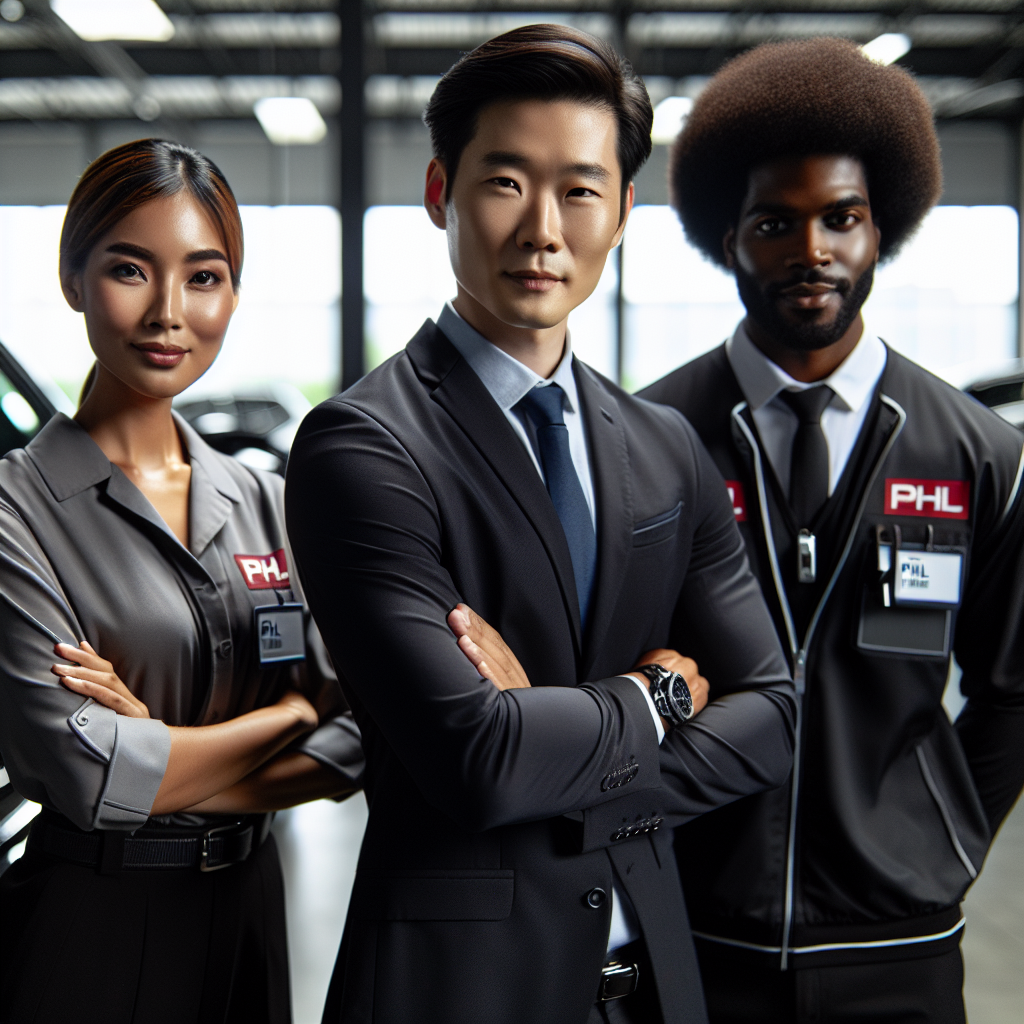
In the world of transportation services, customer preferences can significantly sway the dynamics of the industry. When it comes to choosing between shorter rides and long transfers, travelers often weigh convenience, comfort, and time. Shorter rides tend to attract those who are looking for quick, efficient solutions. Whether it’s a swift trip to the airport or a quick jaunt across town, these customers prioritize efficiency and often appreciate services like PHL Car service that promise timely arrivals without the frills. The appeal lies in getting from point A to point B with minimal hassle, allowing them to focus on their day’s agenda.
On the flip side, longer transfers attract a different clientele. Passengers embarking on these extended journeys often seek an experience that merges relaxation with exploration. For them, the journey is not merely a means to an end; it’s an opportunity to unwind, catch up on work, or enjoy the scenery. They value comfort, spaciousness, and the quality of service, making them willing to invest in a premium ride experience. Here, the PHL Car service can shine by offering added amenities like Wi-Fi, refreshments, and plush seating, ensuring that the longer ride feels less like a chore and more like a luxurious escape.
Ultimately, understanding these varying preferences is crucial for service providers aiming to tailor their offerings to meet the diverse needs of their clientele. Balancing efficiency and comfort can create a loyal customer base eager for both short and long-distance solutions.
Enhancing Customer Satisfaction with Smart Routing
In an era where customer expectations are at an all-time high, the ability to deliver exceptional service has become crucial for businesses like PHL Car service. Smart routing technology emerges as a game-changer, seamlessly integrating sophisticated algorithms that analyze real-time data to optimize routes and enhance customer experiences. Imagine a scenario where a user books a ride, and within seconds, the system assesses traffic conditions, weather patterns, and even local events to determine the quickest and most efficient path. This isn’t just about getting from point A to B; it’s about ensuring a smooth, timely journey that delights customers.
The impact of smart routing extends beyond mere efficiency. It fosters trust and reliability, as clients see their vehicles arriving on time, every time. When customers feel valued through promptness and attention to their needs, their satisfaction skyrockets, creating a ripple effect of loyalty and positive word-of-mouth. Additionally, this technology empowers drivers with crucial information, equipping them to make informed decisions while on the road. This synergy ensures that every ride is not only about transportation but also about prioritizing the customer experience from start to finish.
By embracing smart routing, PHL Car service is not only elevating operational effectiveness but also setting new benchmarks in customer satisfaction. As the landscape of service industries continues to evolve, the importance of intelligent routing solutions becomes increasingly evident, paving the way for a future where clients feel seen, heard, and truly valued.
Case Studies: Successful Bypass Strategies
In the rapidly evolving landscape of transportation, innovative solutions often emerge from the most unexpected challenges. Consider the striking case of a premium transportation company that found itself grappling with the stringent regulations of urban transit. Faced with the daunting task of navigating these complexities, they turned to a creative approach that would redefine their service offerings. By implementing a PHL Car service that focused not only on traditional ride-sharing but also on partnerships with local businesses, they successfully bypassed roadblocks that could have stifled growth.
This strategy involved cultivating relationships with hotels, restaurants, and event venues to create a seamless experience for both passengers and service providers. By offering exclusive deals and integrated bookings, they not only enhanced customer satisfaction but also established a new revenue stream. Riders benefitted from unique offers and experiences, while local businesses enjoyed increased foot traffic, fostering a mutually beneficial ecosystem.
Another notable instance involved a tech startup that utilized advanced data analytics to predict peak demand times in urban areas. By proactively adjusting their fleet distribution, they were able to minimize wait times and maximize efficiency, creating a more reliable service. This approach not only improved user experience but also set them apart in a crowded market.
These examples illustrate how strategic thinking and collaboration can lead to innovative solutions, proving that when faced with obstacles, the most effective path often lies in creativity and adaptability.
Future Trends in Local Navigation for Car Services
As urban landscapes continue to evolve, the future of local navigation for car services is poised for a remarkable transformation. Advanced technologies such as artificial intelligence and machine learning are set to revolutionize how we interact with PHL Car service, creating a more intuitive experience for riders and drivers alike. Imagine an app that not only understands your preferences but also anticipates your needs based on historical data, traffic patterns, and nearby events.
In the coming years, we can expect to see the integration of augmented reality into navigation systems. This innovation will allow users to visualize their surroundings and receive real-time directions through their smartphones, ensuring they find their ride with ease. Additionally, the rise of autonomous vehicles will reshape local navigation, with self-driving cars leveraging high-definition maps and sensors to navigate efficiently without human intervention.
Furthermore, the importance of sustainability will influence local navigation trends. Services like PHL Car service are likely to adopt eco-friendly routes, optimizing for lower carbon footprints while still ensuring timely arrivals. As ride-sharing becomes more prevalent, navigation systems will also need to accommodate multiple pickups and drop-offs, optimizing routes to enhance convenience for all passengers.
With these advancements on the horizon, the future of local navigation for car services promises to enhance user experience, prioritize safety, and promote sustainability, making transportation smoother and more efficient than ever before.
Conclusion: Maximizing Efficiency in PHL Car Service
In the fast-paced world of travel, maximizing efficiency in PHL Car service is crucial for both operators and passengers. Streamlining the booking process is a foundational step; by adopting advanced technology and user-friendly interfaces, customers can secure rides with just a few taps on their smartphones. This not only enhances customer satisfaction but also reduces wait times, allowing for smoother transitions from airport to destination.
Moreover, implementing real-time tracking systems ensures that drivers are efficiently routed, minimizing fuel consumption and delays. When drivers know the optimal paths to take, they can navigate through Philadelphia’s traffic with ease, ultimately benefiting everyone involved. Regular training and assessment of drivers enhance their skills and familiarize them with the city’s nuances, further optimizing their performance.
However, efficiency extends beyond logistics. Providing exceptional customer service—like ensuring clean vehicles and friendly interactions—can transform a routine trip into a memorable experience. Incorporating passenger feedback loops allows the service to adapt and evolve based on user needs, making the PHL Car service not just a means of transportation but a valued partner in travel.
In essence, the pursuit of efficiency in PHL Car service hinges on a blend of technology, training, and customer engagement. By embracing these elements, providers can create a seamless, enjoyable journey for travelers, setting a new standard in the transportation industry. In doing so, they not only elevate their service but also enhance the overall travel experience across the bustling Philadelphia region.




Leave a Reply